UNI-1 Features & Capabilities
Everything you can do with Luma's unified AI — from reasoning-driven generation to conversational editing and 76+ art styles.
Unified Architecture
Traditional AI image pipelines chain separate models — a language model parses the prompt, a diffusion model generates the image, and post-processors refine it. UNI-1 collapses all of this into one unified transformer that thinks and creates simultaneously.
Traditional Pipeline
Information loss at each handoff. Reasoning and generation are disconnected.
UNI-1 Unified Model
Single model. Zero information loss. Reasoning and creation are inseparable.
Visual Reasoning: Thinking While Drawing
UNI-1 does not just interpret your prompt — it reasons about it. Before generating a single pixel, UNI-1 decomposes complex instructions into sub-tasks, evaluates spatial and logical constraints, and plans the composition. The result is images that follow intricate, multi-part instructions that defeat every other model.
- Breaks down complex multi-element prompts into actionable sub-goals
- Handles contradictory or ambiguous instructions gracefully
- Logical reasoning score 2.1× higher than GPT-4o (0.32 vs 0.15)
- Understands spatial relationships: behind, above, partially obscured by
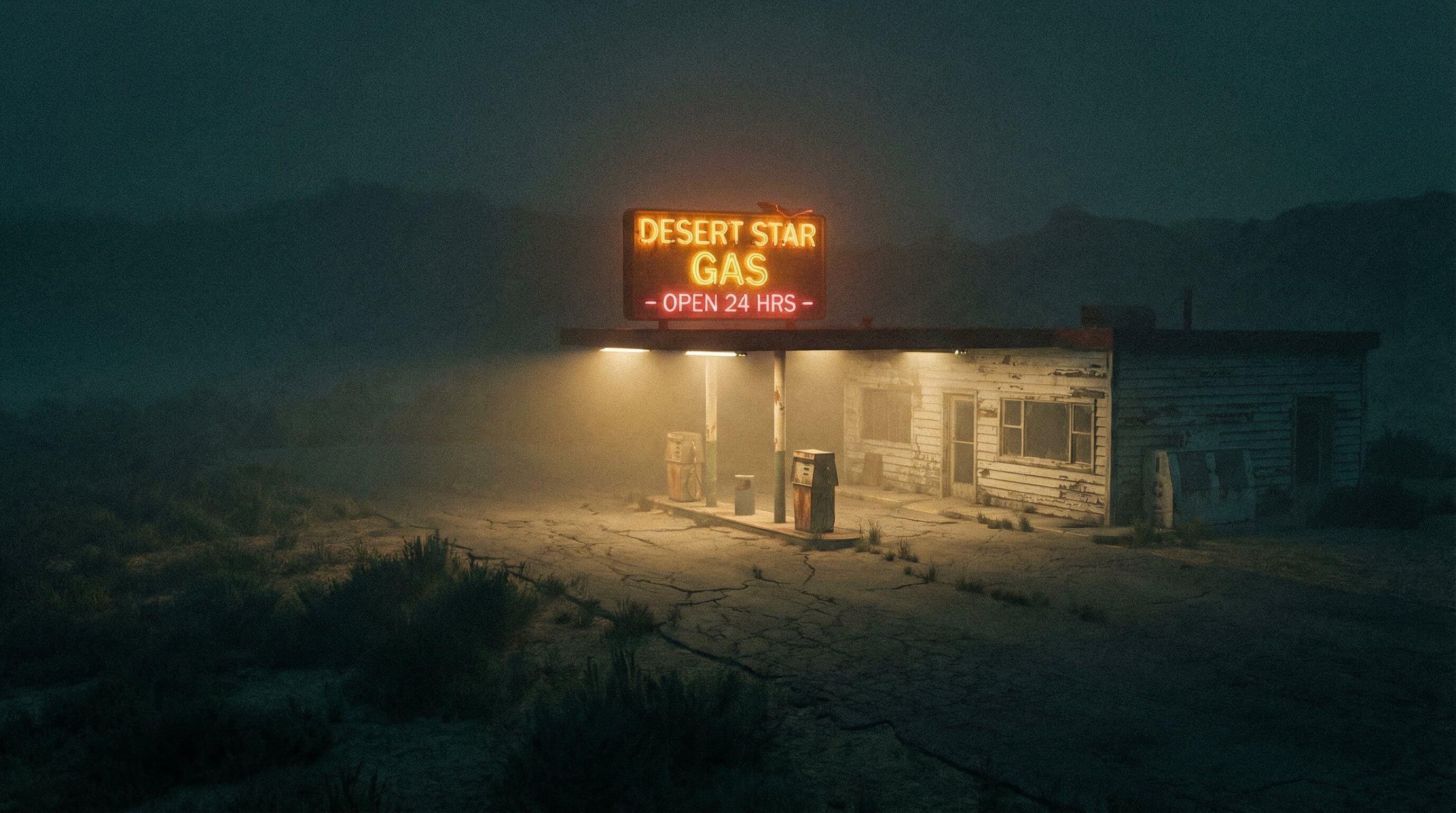
High-Quality Image Generation
UNI-1 produces images at up to 2K resolution with precise prompt adherence and exceptional detail fidelity. Complex scenes with multiple interacting subjects, accurate perspective, and coherent lighting are handled reliably — not as exceptions.
- 2K (2048×2048) maximum resolution output
- Accurate multi-subject scene composition
- Precise lighting simulation: natural, studio, atmospheric
- Minimal artifacts even at high detail density
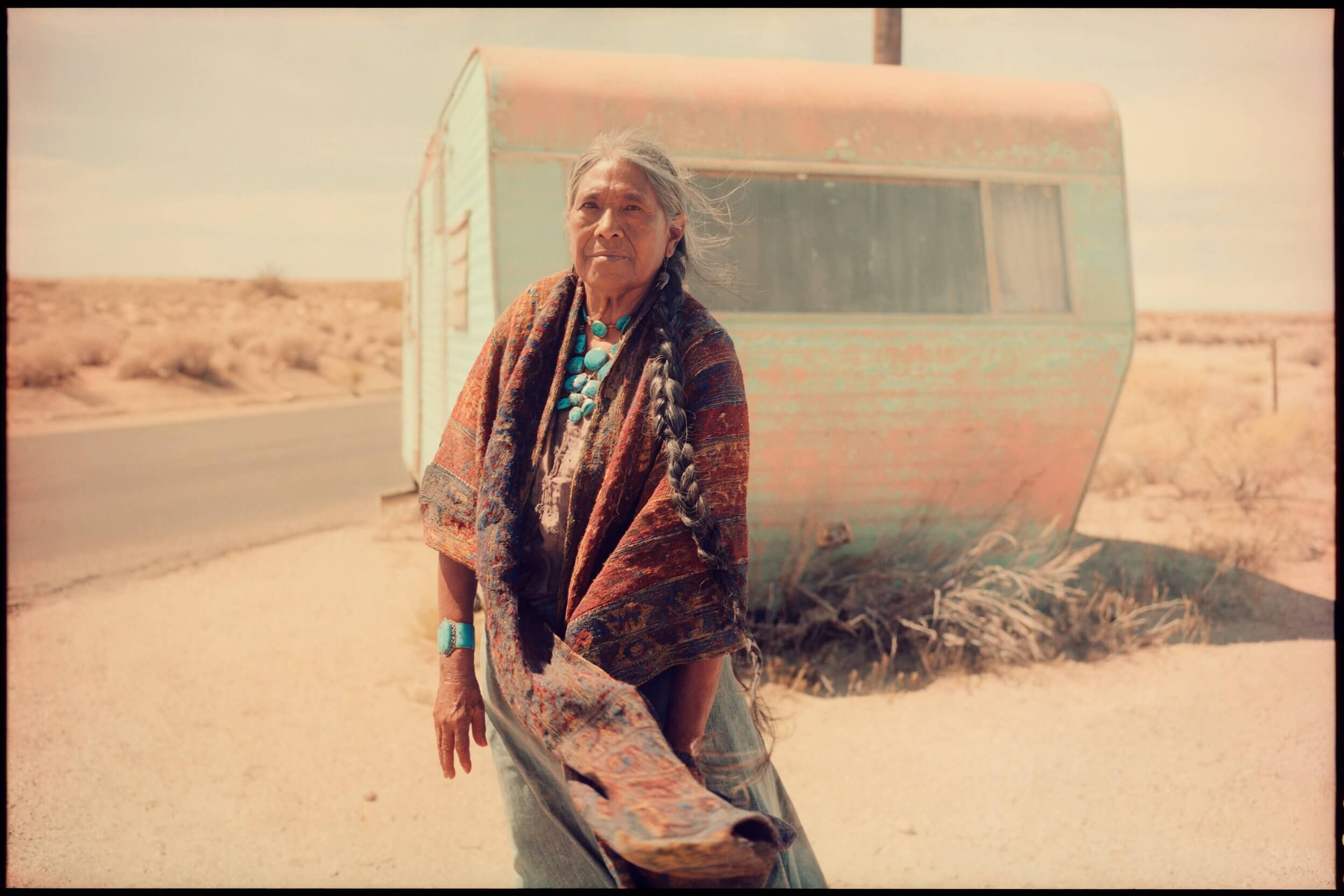
Multi-turn Conversational Image Editing
Refine your image through natural conversation. UNI-1 maintains full context across the entire editing session — each follow-up message builds on the previous state without losing coherence or restarting generation from scratch. It works exactly like directing a human designer.
- Full context retention across the entire conversation
- Change specific elements without altering the rest
- Progressive refinement: make micro-adjustments across many turns
- Supports style, content, lighting, and composition edits simultaneously
Turn 1: "A woman reading in a cozy library" → Turn 2: "Make the window rain-streaked and add a cat on the chair" → Turn 3: "Change her dress to burgundy velvet, keep everything else" → Turn 4: "Add fog visible through the window"
Perfect Text in Generated Images
Text rendering in AI images has historically been the Achilles heel of generative models. UNI-1 eliminates this problem entirely. Its unified reasoning architecture processes text as structured semantic content — not just visual tokens — producing zero-error typography in generated images.
- Zero spelling errors in rendered text (confirmed across benchmark evaluations)
- Supports Latin, Cyrillic, Chinese, Japanese, Arabic, and Hebrew characters
- Handles complex typographic layouts: posters, signs, book covers, UIs
- Correct kerning and letter spacing in stylized fonts
"A vintage travel poster for Paris with the text 'PARIS — CITY OF LIGHT' in Art Deco lettering, Eiffel Tower silhouette, sunrise gradient background, museum-quality print"
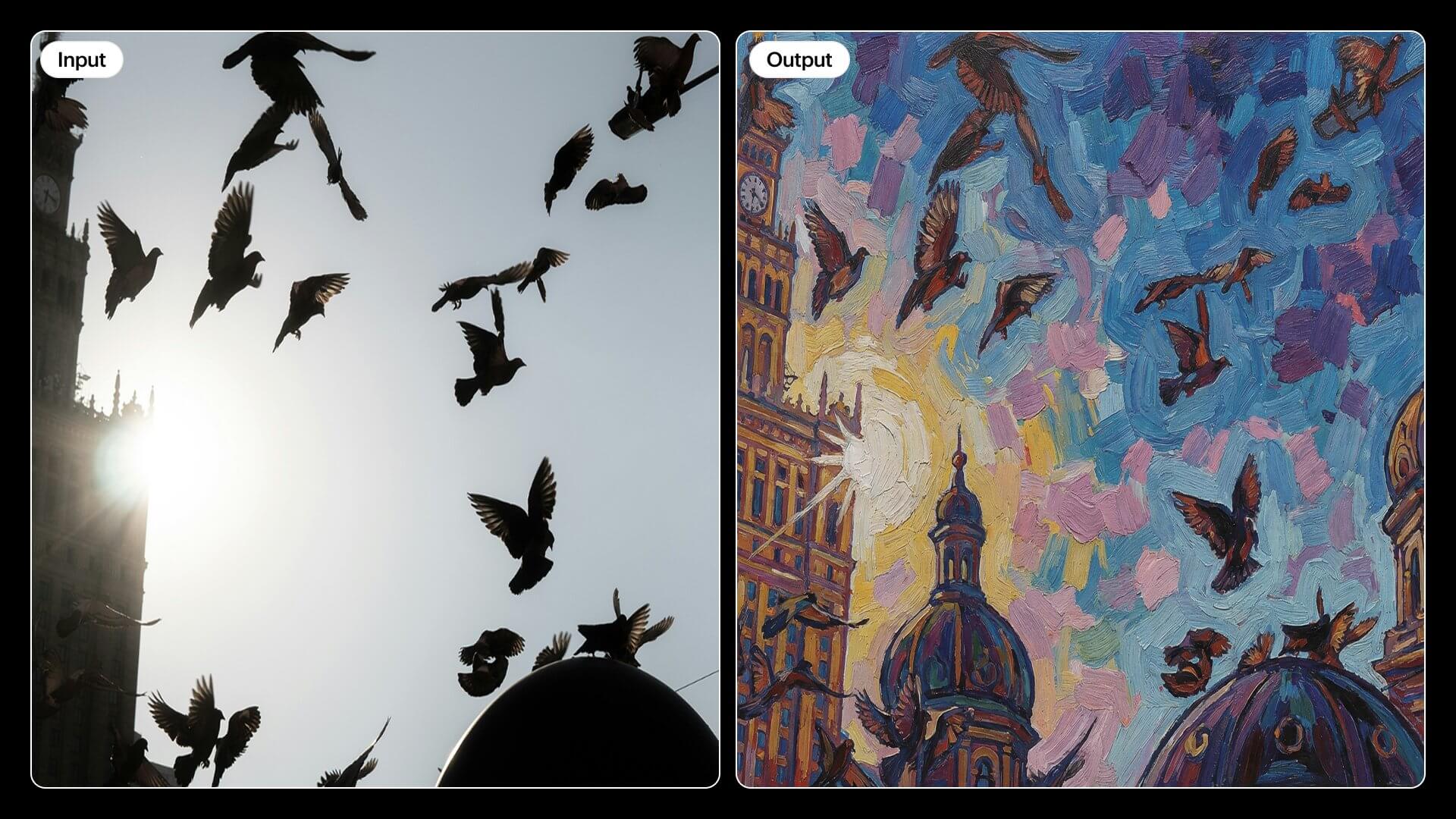
76+ Artistic Styles
UNI-1 ships with an extensive built-in style vocabulary covering fine art movements, photography styles, illustration traditions, and contemporary digital art aesthetics. Styles can be combined with weighted syntax for precise creative control.
- 76+ built-in style presets from photorealism to pixel art
- Fine art movements: Impressionism, Cubism, Surrealism, Expressionism
- Photography styles: film noir, high fashion, documentary, macro
- Mix styles with weighted modifiers: "70% oil painting, 30% digital concept art"
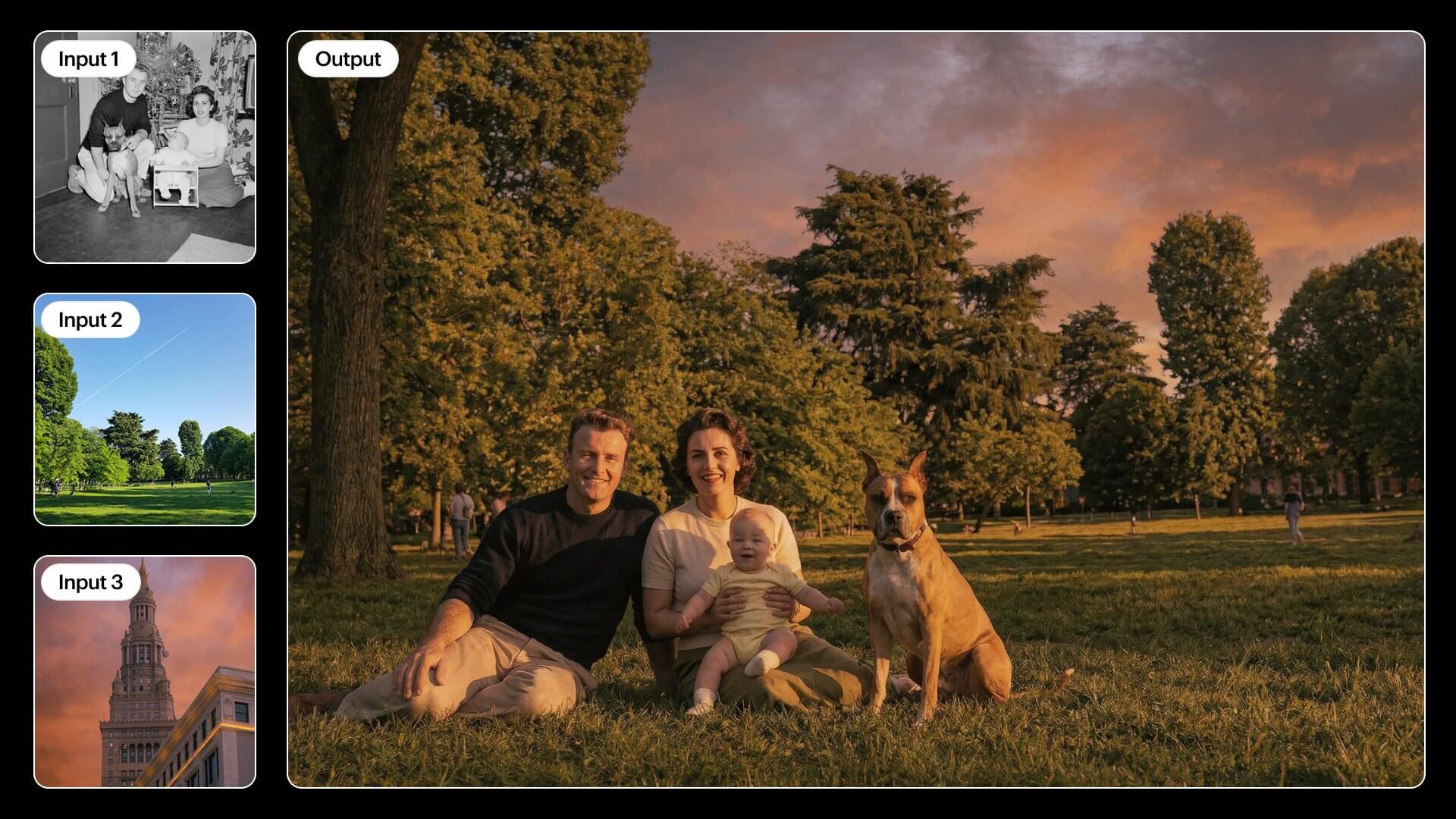
Multi-image Composition
Upload up to four reference images to guide UNI-1's output. The model synthesizes style, character design, environmental elements, and color palettes from your references into a coherent new image — far more accurately than any other model available.
- Accepts up to 4 reference images simultaneously
- Merges character designs from multiple sources while maintaining coherence
- Style transfer from reference: "generate in the style of this uploaded artwork"
- Environment combination: blend landscapes, interiors, and backgrounds from references